


-

Add: HeBei ShengShi HongBang Cellulose Technology CO.,LTD.
-

Email
13180486930@163.com -

CONTACT US
+86 13180486930
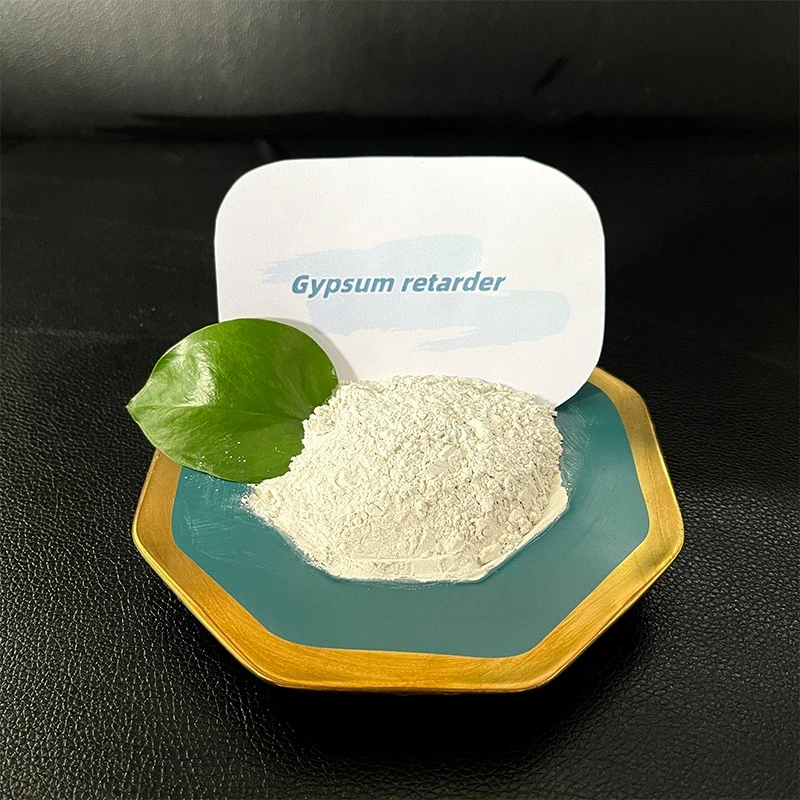
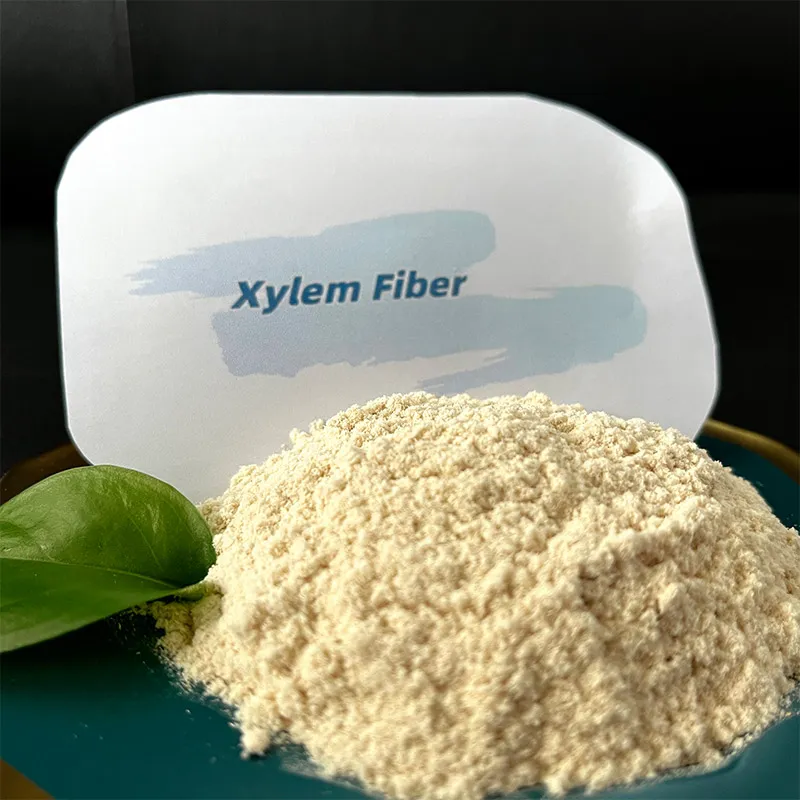



wood cellulose,xylem fiber,fibre made from wood pulp,cellulose extraction from wood,cellulose wood fibers is a key solution in the manufacturing industry, specifically within Paper and paper products industry and Pulp manufacturing. This article explores how HeBei ShengShi HongBang Cellulose Technology CO.,LTD. supports professionals with durable, high-performance products, and explains why this product is an ideal choice for businesses in these sectors. Table of Contents wood cellulose,xylem fiber,fibre made from wood pulp,cellulose extraction from wood,cellulose wood fibers Overview Benefits & Use Cases of wood cellulose,xylem fiber,fibre made from wood pulp,cellulose extraction from wood,cellulose wood fibers in Pulp manufacturing Cost, Maintenance & User Experience Sustainability & Market Trends in manufacturing Conclusion on wood cellulose,xylem fiber,fibre made from wood pulp,cellulose extraction from wood,cellulose wood fibers from HeBei ShengShi HongBang Cellulose Technology CO.,LTD. wood cellulose,xylem fiber,fibre made from wood pulp,cellulose extraction from wood,cellulose wood fibers Overview In pulp manufacturing, wood cellulose—often described as xylem fiber or cellulose wood fibers—forms the backbone of paper strength, formation, and runnability. As a fibre made from wood pulp, it is derived through controlled cellulose extraction from wood, typically via kraft or sulfite pulping, followed by mechanical refining, classification, and optional surface modification. The result is a clean, consistent fiber matrix engineered to optimize dry and wet strength, drainage, and filler retention across a wide range of grades. HeBei ShengShi HongBang Cellulose Technology CO.,LTD. supplies high-purity wood cellulose designed for industrial reliability and reproducibility. Typical technical parameters can include low ash content, neutral pH, controlled moisture, and tightly managed fiber length distribution to balance bonding with drainage. Many customers specify tailored properties—such as targeted freeness, fibrillation level, or brightness—to suit tissue, printing/writing, specialty, and packaging applications. For B2B decision makers, the relevance is clear: properly specified xylem fiber stabilizes wet-end chemistry, improves machine productivity, and reduces variability in downstream converting. Paired with application support from HeBei ShengShi HongBang Cellulose Technology CO.,LTD., mills can translate material performance into measurable operational gains and predictable product quality. Benefits & Use Cases of wood cellulose,xylem fiber,fibre made from wood pulp,cellulose extraction from wood,cellulose wood fibers in Pulp manufacturing Across pulp and paper operations, precision-engineered wood cellulose and xylem fiber deliver a portfolio of benefits. At the wet end, optimized fibrillation increases bonding potential, elevating tensile, SCT, and burst without excessive fines generation. These cellulose wood fibers also improve drainage and dewatering, supporting higher machine speeds and reduced steam demand in drying. In filled systems, they enhance filler retention and sheet formation, often enabling higher ash targets without compromising strength. Use cases include strength enhancement in recycled-fiber packaging, softness-to-strength balancing in tissue and towel, dimensional stability in printing/writing papers, and functional performance in specialty grades (from filtration papers to battery separators). When combined with starch, AKD/ASA, or synthetic latex systems, a fibre made from wood pulp can unlock synergistic strength and sizing performance. HeBei ShengShi HongBang Cellulose Technology CO.,LTD. brings process know-how that spans raw material selection, cellulose extraction from wood, and finishing operations that control fiber morphology. This expertise helps mills match fiber specifications to grade targets, seasonality, and furnish composition—minimizing trial time and accelerating ROI. Technical teams can advise on dosage windows, dispersion protocols, and compatibility with existing retention and wet-strength chemistries. Cost, Maintenance & User Experience Total cost of ownership for wood cellulose in pulp manufacturing hinges on more than price-per-ton. Mills evaluate the impact on chemical consumption, steam and power usage, machine runnability, and waste reduction. Consistent xylem fiber quality can reduce sheet breaks, stabilize basis weight, and increase first-pass retention—value drivers that translate into lower cost-per-ton of saleable paper. Operationally, modern cellulose wood fibers from HeBei ShengShi HongBang Cellulose Technology CO.,LTD. are engineered for easy handling. They are supplied in flow-friendly packaging with good dispersibility, reducing make-down time and minimizing equipment fouling. Customers in the Paper and paper products industry report smoother startups, predictable refiners’ energy profiles, and improved wet-end stability when switching to a fibre made from wood pulp with tighter spec control. From a user-experience standpoint, the combination of application support and reliable supply shortens trial cycles and limits unplanned downtime. The net effect is stronger, more uniform paper at equal or lower overall cost, plus the flexibility to pursue higher filler strategies or lighter basis weights—both proven pathways to enhanced ROI. Sustainability & Market Trends in manufacturing With demand growing for renewable, recyclable materials, wood cellulose is central to the industry’s decarbonization and circularity strategies. Derived from responsibly managed forests, xylem fiber aligns with market and regulatory expectations for bio-based content and improved end-of-life outcomes. As single-use plastics face increasing scrutiny, cellulose wood fibers enable new fiber-based packaging formats and barrier solutions without compromising performance. Regulatory momentum—from extended producer responsibility to evolving packaging directives—favors materials sourced through transparent cellulose extraction from wood. Mills increasingly seek suppliers who can support traceability, resource efficiency, and reduced environmental footprint. HeBei ShengShi HongBang Cellulose Technology CO.,LTD. invests in process improvements that target energy and water efficiency while prioritizing quality consistency. The company’s forward-thinking approach helps customers meet internal ESG targets and external compliance requirements. Market trends also point to premium growth in specialty papers, tissue, and lightweight packaging. By pairing application expertise with tailored fiber morphology, HeBei ShengShi HongBang Cellulose Technology CO.,LTD. helps producers innovate faster, reduce risk, and bring sustainable products to market at scale. Conclusion on wood cellulose,xylem fiber,fibre made from wood pulp,cellulose extraction from wood,cellulose wood fibers from HeBei ShengShi HongBang Cellulose Technology CO.,LTD. For pulp manufacturing leaders, wood cellulose—delivered as xylem fiber and other cellulose wood fibers—provides a proven route to higher strength, better runnability, and improved sustainability. With deep know-how in cellulose extraction from wood and precise control of fiber properties, HeBei ShengShi HongBang Cellulose Technology CO.,LTD. is a dependable partner for performance and value. Explore how a fibre made from wood pulp can unlock your next efficiency gain or product innovation. Contact us: email: 13180486930@163.com Visit our website: https://www.sshbhpmc.com
- 40000tons

Production
- 20+years

Experience
- 5000+㎡

Acreage

-
The Significance of Nylon Fiber in Modern Textiles Nylon fiber, first introduced in the 1930s, revolutionized the textile industry by providing a durable and versatile alternative to natural fibers. Originally developed by Wallace Carothers and his team at DuPont, nylon was the first synthetic fiber made entirely from petrochemicals. Its introduction marked a significant shift in how textiles were produced and utilized, offering a range of applications that went beyond traditional uses of cotton, wool, and silk. One of the primary characteristics that set nylon apart from other fibers is its exceptional strength. Nylon is known for its high tensile strength, which means it can withstand considerable pulling force without breaking. This attribute makes it ideal for use in products that require durability, such as outdoor gear, upholstery, and even ropes. Its ability to resist abrasion also allows nylon fabric to maintain its appearance and structure over time, making it a popular choice for activewear and sports clothing. The Significance of Nylon Fiber in Modern Textiles In terms of moisture resistance, nylon fibers excel compared to many natural fibers. They repel water, which helps garments dry quickly—a crucial benefit for athletes and outdoor enthusiasts. Additionally, nylon does not absorb moisture as readily as cotton, making it an excellent choice for activewear that must remain dry and comfortable during use. nylon fibre is Despite its many advantages, the production of nylon is not without environmental concerns. As a synthetic fiber, its manufacturing process relies heavily on non-renewable fossil fuels, contributing to greenhouse gas emissions and other environmental hazards. Moreover, when nylon textiles are washed, they can release microplastics into waterways, posing a threat to marine life and ecosystems. In response to these issues, the industry is increasingly turning to recycled nylon, derived from post-consumer waste, which helps mitigate some of the ecological impacts associated with virgin nylon production. The versatility of nylon has led to its use in a wide array of applications beyond clothing. In the automotive industry, for instance, nylon is used for parts such as fuel lines, electrical connectors, and interior components due to its strength and heat resistance. Similarly, in the technology sector, nylon is popular for manufacturing components like casings and wiring because it can withstand temperature fluctuations and mechanical stress. As society moves towards more sustainable practices, the future of nylon fiber is becoming an area of innovation and transformation. New techniques for recycling nylon and developing bio-based alternatives are being explored to reduce the environmental footprint of this synthetic fiber. Additionally, brands are increasingly prioritizing transparency in their supply chains, offering consumers more information about the sourcing and production of nylon textiles. In summary, nylon fiber is a remarkable invention that has had a lasting impact on various industries, particularly textiles. Its strength, elasticity, and moisture resistance have made it a favorite among manufacturers and consumers alike. However, as we advance towards a more sustainable future, addressing the environmental challenges associated with nylon production will be crucial. By embracing innovative practices and recycled materials, the industry can continue to harness the benefits of nylon while minimizing its ecological footprint, ensuring that this versatile fiber remains a staple in modern life for generations to come.
-
Гидроксипропилметилцеллюлозные пустые капсулы становятся все более популярными благодаря их уникальным свойствам и преимуществам. В отличие от традиционных желатиновых капсул, HPMC капсулы изготовлены из растительных материалов, что делает их подходящими для вегетарианцев и веганов, а также для людей с определенными диетическими ограничениями. Один из главных плюсов HPMC капсул - это их исключительная стабильность при температурных колебаниях и влажности, что позволяет продуктам внутри сохранять свои свойства дольше. Такая надежность становится критическим фактором для фармацевтических компаний и производителей пищевых добавок, стремящихся обеспечить качество и эффективность своих продуктов на протяжении всего их срока годности. Обладая значительным опытом в области развития нутрицефтики, многие эксперты отмечают, что эти капсулы проще в производстве и имеют меньшее количество брака по сравнению с желатиновыми аналогами. Это особенно важно в условиях производства на больших масштабах, где потери могут существенно влиять на себестоимость продукции. Ученые и исследователи неоднократно подчеркивали, что HPMC капсулы не взаимодействуют с содержимым, минимизируя риск побочных реакций и гарантируя, что пользователь получает именно те активные компоненты, которые заявлены производителем. Исследования поддерживают теорию о том, что эти капсулы устойчивы к кислой среде желудка, что способствует лучшему усвоению активных веществ. Бренды, которые стремятся укрепить свою репутацию на рынке, выбирают HPMC капсулы как символ качества и доверия . Этот выбор обусловлен не только техническими характеристиками, но и растущим числом осознанных потребителей, которые оценивают состав и прозрачность производства тех или иных продуктов. hpmc пустые капсулы Как следствие, использование гидроксипропилметилцеллюлозных капсул опирается на авторитетные научные данные и практические испытания, подтверждающие их превосходные характеристики. Это создает уверенность в их зрелости и актуальности для современных тенденций в питательных добавках и лекарственных средствах. Безопасность и надежность HPMC капсул сделали их предпочтительным выбором в открывающихся новых рынках, где устойчивые и качественные решения ценятся особенно высоко. Многочисленные предприятия из Азии и Европы инвестируют в производство и дистрибуцию этих капсул, утверждая их как стандарт для будущих поколений продуктов. В условиях глобальных изменений спроса и повышенного интереса к этичному потреблению, гидроксипропилметилцеллюлозные капсулы продолжают занимать лидирующую позицию среди аналогов. Ожидается, что их популярность будет только расти благодаря продолжающимся исследованиям и инновациям в производственной технологии. Таким образом, использование HPMC капсул подтверждает выгоду в долгосрочной перспективе и соответствует высоким стандартам качества, что делает их надежным выбором для бизнеса, стремящегося оставаться на переднем крае индустрии здоровья и благополучия.
advantages
-

200000 Viscosities
Excellent product
We can produce pure products up to 200,000 viscosities
-

40000 tons
High yield
We don’t stop production all year round, and the annual output can reach 40,000 tons
-

24 hours
Quality service
We provide 24-hours online reception service, welcome to consult at any time
———— Inquiry Form
Schedule A services

-
 types_d_amidon_modifies
Oct . 25, 2025
Rubber powder is a revolutionary material that opens up endless possibilities across various industr -
 hydroxypropyl_starch
Oct . 25, 2025
Hydroxypropyl methylcellulose (HPMC) is a versatile product that has gained tremendous attention acr -
 crumb_rubber_powder
Oct . 25, 2025
Hemp polypropylene is rapidly gaining traction in the materials industry as an innovative and sustai


